A Visit Through Time: The Adobe at Rideau Vineyard
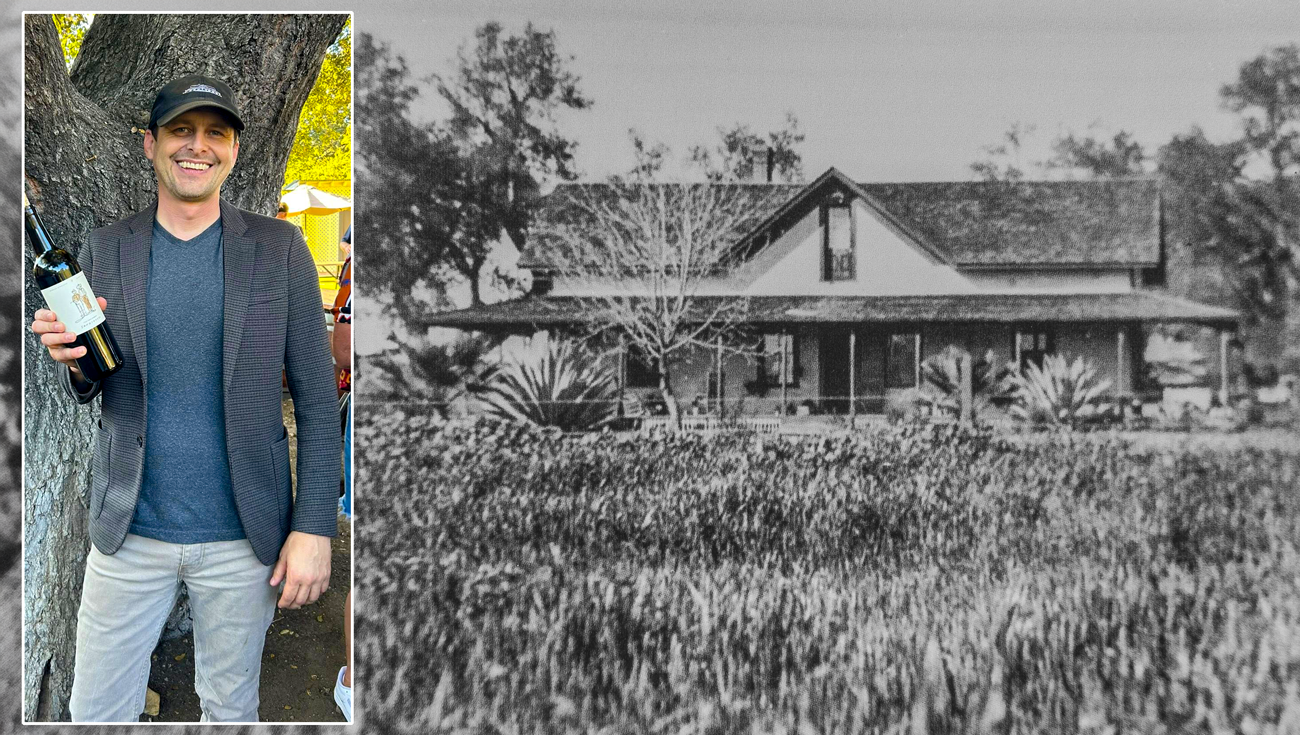
Hi, this is Steve at Rideau Vineyard. As Estate Manager, I’ve walked through our historic adobe almost every day for nearly two decades—and every time, I’m reminded of just how much life and history these walls hold. Built in 1884, the adobe sits at the heart of our estate, a steady presence that has been a homestead, a bustling guest ranch, a family farmhouse, and now a place where we welcome guests from near and far. Today, we’re proud to share the story of this remarkable building—one that has anchored our property for well over a century.
For all of us on the team, the adobe is more than a structure—it’s a living record of the Santa Ynez Valley. Generations have cooked here, worked here, celebrated here, and found rest here. Its story is woven into the broader fabric of early ranching life, agricultural innovation, and the sense of hospitality that still defines Rideau Vineyard today. Here’s a look at how this special place came to be.
OUR HISTORIC ADOBE
The adobe’s story begins on land once belonging to the Mexican-era Rancho El Alamo Pintado—“the painted sycamore,” named for the creek that still winds through the valley. In 1884, two young English immigrants (known as “remittance men”), Daniel Basil Alexander and his friend Mr. Grundy, built a sturdy two-story adobe home from the local earth. From all accounts, they created a warm and welcoming homestead that soon became a gathering point for the valley’s earliest settlers.
Agriculture quickly became a defining part of life here. By the late 1880s, new owners planted one of the region’s first commercial peach orchards—hundreds of acres that helped shape the agricultural identity of the Santa Ynez Valley. Those early plantings began a long tradition of farming on this land, a tradition we’re honored to carry forward today at Rideau Vineyard.
FROM HOMESTEAD TO GUEST RANCH
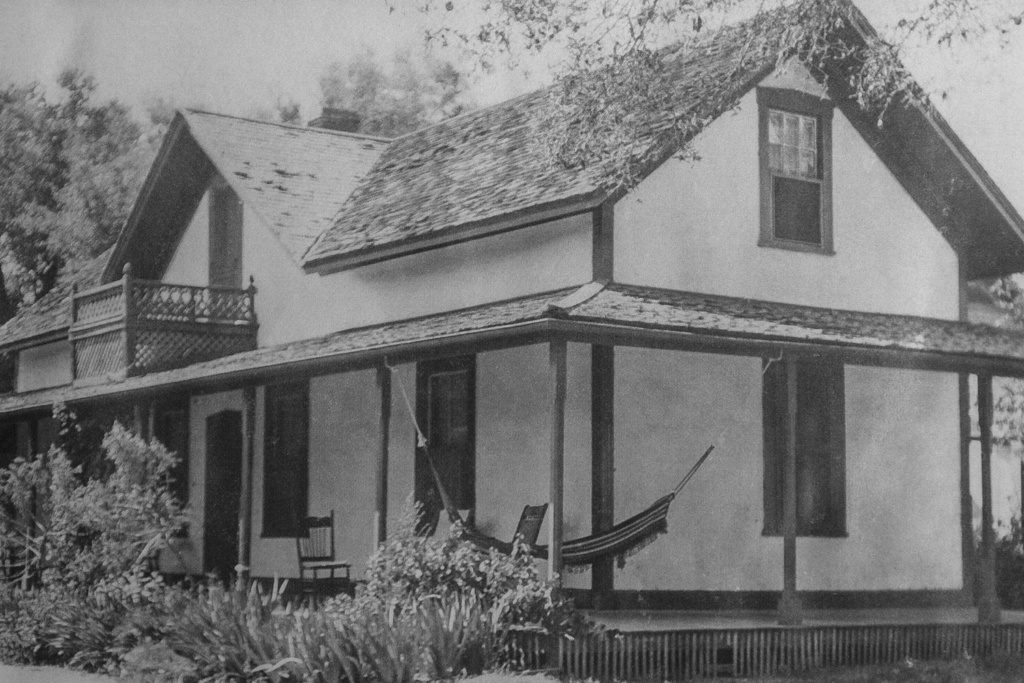
A major shift came in the late 1890s, when Alden March Boyd purchased the adobe and transformed it into the Fonda del Alamo Pintado, the first guest ranch in the Santa Ynez Valley. Opening in 1899, it offered hearty meals, fresh air, and a peaceful rural escape for travelers arriving by horse, stagecoach, or rail.
Guests enjoyed cool adobe interiors, broad verandas, and simple, welcoming rooms. The inn quickly became known as one of California’s most charming country retreats, even hosting overflow guests from Mattei’s Tavern. Although the guest ranch eventually closed, its spirit of warmth and hospitality continues to inspire how we welcome visitors at Rideau Vineyard today.

RANCHO LIFE & PRESERVATION
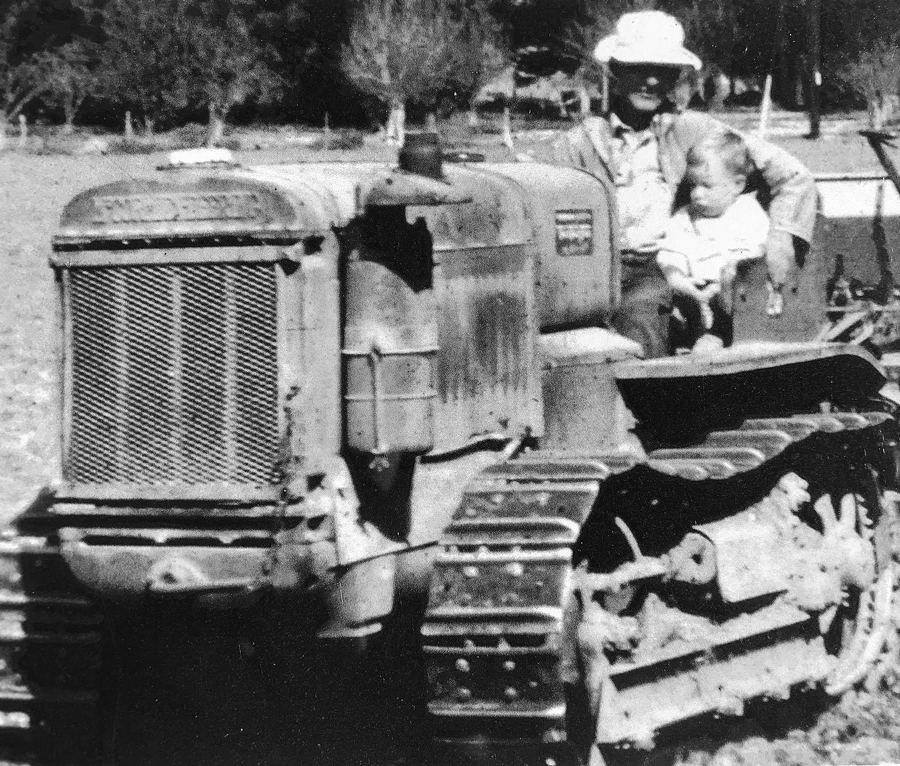
In 1937, the adobe was purchased by the de la Cuesta family—descendants of early Spanish-Californian settlers who farmed the land for decades. Their stewardship kept the adobe alive through family gatherings, ranching operations, and the rhythms of rural life well into the mid-20th century.
Recognizing its cultural importance, Santa Barbara County designated the adobe as Historic Landmark No. 12 in the 1970s. Even with that protection, by the mid-1980s, the building eventually sat empty, weathered by time and waiting for someone to restore it and give it a new purpose.
THE RIDEAU VINEYARD ERA
In 1995, the adobe entered a new era when Iris Rideau purchased and thoughtfully restored it as the home of Rideau Vineyard. Her work preserved the building’s original architecture—its thick earthen walls, hand-hewn beams, and timeless character—ensuring the adobe remained a living piece of valley history.

In 2016, Martin and Isabelle Gauthier purchased Rideau Vineyard from Iris, preserving the name and the spirit of hospitality she established, while bringing renewed focus and strength to the estate through organic farming and sustainable vineyard practices.
Today, the adobe is still the heart of our estate—a place where we welcome guests, share our wines, and celebrate the heritage of one of the valley’s oldest surviving structures. It’s a privilege to continue its story, and all of us take pride in caring for it every day.
We invite you to visit Rideau Vineyard, step inside our historic adobe, and experience its story for yourself. Whether you’re enjoying a tasting under the oak trees or exploring the rooms of this remarkable building, we hope you feel the sense of place that makes Rideau truly special.